This Is Your Brain on garage door installation helensvale
Comprehensive Guide to Garage Door Motor Repair in 2026
Experiencing trouble with your garage door motor can disrupt your daily routine and compromise home security. This detailed guide covers everything you need to know about diagnosing, repairing, or replacing your garage door motor. Whether you're a DIY enthusiast or considering professional services, learn how to maintain and restore your garage opener to flawless operation.Understanding Garage Door Motors and Openers
The garage door motor is the heart of your garage opener system, responsible for powering the door’s movement through its mechanical components. Key parts include the motor casing which houses the internal components, the motor brush that conducts electrical current, and the gear assembly that translates motor rotation into door movement.
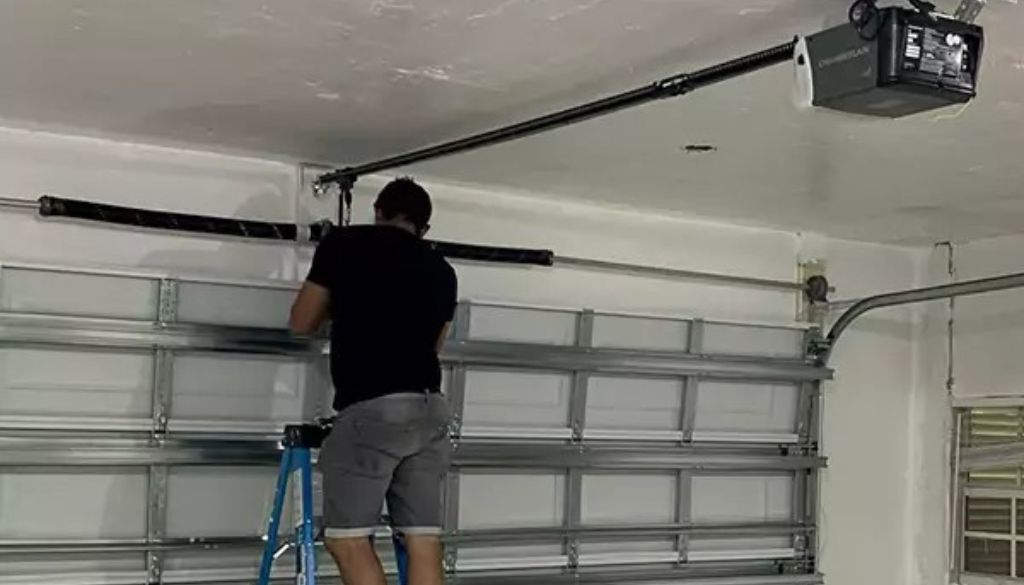
Garage door motors typically work in conjunction with either a drive belt or a chain drive, connected via a pulley system and a trolley system that moves the door along its tracks. Different opener types may vary in motor speed and torque, affecting efficiency and noise levels.
Understanding these parts helps identify potential areas of failure and is crucial when troubleshooting issues or planning repairs.
Common Garage Door Motor Issues
Garage door motors can experience several issues due to wear and tear or electrical faults. Frequent problems include motor overheating caused by overuse or insufficient ventilation, motor wiring problems such as loose connections or worn wires, and fuse replacement requirements when electrical surges occur.
Other common troubles are capacitor testing failures impacting motor start-up, motor cover damage exposing internal components to dust and moisture, and motor brush wear reducing conductivity. Variations in motor speed often indicate underlying mechanical or electrical faults, and loud noises may point to problems in the gear assembly or pulley system.
Signs Your Garage Door Motor Needs Repair
- Slow motor operation causing delayed door movement
- Unresponsive or malfunctioning remote control signals
- Unusual grinding, squeaking, or rattling noises during operation
- Door fails to open or close fully, stopping midway
- Motor stops unexpectedly during a cycle
- Frequent use of the emergency release lever indicating motor failure
Garage Door Motor Repair: Step-by-Step Guide
Repairing your garage door motor requires careful inspection and methodical steps to ensure safe and effective restoration.
- Motor lubrication: Regularly apply appropriate lubricants to gears, bearings, and moving parts to reduce friction and wear.
- Limit settings adjustment: Fine-tune the door’s open and close limits using the motor’s limit switch controls to prevent overtravel.
- Sensor alignment: Ensure safety sensors or photo eyes are properly aligned to allow smooth door operation and auto-reverse functions.
- Force adjustment: Adjust the force settings on your opener to control the power exerted during door movement, preventing damage.
- Motor wiring inspection: Check for damaged, loose, or corroded wires within the motor and control panel.
- Circuit board checks: Inspect and test the main control circuit board for faults or burned components affecting performance.
- Fuse replacement: Safely replace blown fuses to restore power to the motor.
- Button replacement: Replace worn or damaged wall switches and remote buttons to regain reliable control access.
Tools Required for Garage Door Motor Repair
- Multimeter for electrical testing and voltage checks
- High-quality lubricants compatible with garage door parts
- Screwdriver set including Philips and flathead drivers
- Replacement fuses tailored to your opener’s specifications
- Spare remote batteries and keypad batteries
- Tools for accessing the control panel safely
Related Garage Door Component Repairs
A well-functioning garage door relies not only on the motor but also on a variety of interconnected components. Repairing garage door installation helensvale related parts can improve overall operation and extend motor life.
- Cable repair: Fix frayed or broken cables that support door movement and balance.
- Door springs (torsion & extension): Replace or adjust springs that counterbalance door weight.
- Roller repair: Lubricate or replace worn rollers for smooth track travel.
- Track maintenance: Clean and realign tracks to prevent binding and reduce motor strain.
- Weather seal replacement: Ensure door insulation and protection from elements.
- Garage door panel repair: Mend dents or cracks compromising door integrity.
- Safety sensors (photo eye): Repair or realign sensors critical for automatic safety reversal.
- Keypad entry issues: Troubleshoot and fix wireless receiver or battery problems in keyless systems.
Maintaining Your Garage Door Motor for Longevity
Routine maintenance is essential to keep your garage door motor functioning smoothly and to avoid costly repairs.
- Regular motor lubrication prevents wear and reduces noise.
- Check and adjust limit settings periodically to maintain correct door travel limits.
- Clean and align sensors ensuring reliable auto-reverse safety features.
- Inspect motor brushes for wear and replace if necessary to maintain electrical contact.
- Replace remote batteries and keypad batteries to prevent signal loss.
- Reprogram the door opener after battery changes or system resets.
- Adjust tension on springs and cables carefully to balance door operation and reduce motor strain.
When to Call a Professional for Garage Door Motor Repair
While many garage door motor issues can be tackled by skilled DIYers, certain situations require professional expertise for safety and effective resolution:
- Extensive motor wiring issues posing electrical hazards
- Motor capacitor failure affecting power startup requiring specialised tools
- Persistent motor overheating suggesting underlying mechanical or electrical faults
- Complex circuit board problems needing advanced diagnostic equipment
- Warranty considerations where self-repair may void coverage
- Safety brake faults compromising emergency stops and manual release systems
- Installation or integration of smart garage systems involving wireless receivers and network setups
Conclusion
Garage door motor repair is an essential skill for homeowners and property managers aiming to maintain security and convenience. By understanding your motor’s components, recognising common issues, and following step-by-step repair and maintenance procedures, you can extend the lifespan of your garage door opener and avoid unexpected breakdowns.
When problems are complex or safety risks are present, engaging a professional ensures thorough repair and compliance with industry standards. Regular upkeep, timely repairs, and informed decision-making are key to keeping your garage door motor running efficiently in 2026 and beyond.
If you’re facing persistent issues or need expert assistance, don’t hesitate to consult certified garage door technicians who can provide reliable service, quality parts, and peace of mind.